
Guillem Gabriel Pizarro was a Spanish 2025-26 Fulbright Schuman Research Scholar in Law at Fordham University. Dr. Gabriel Pizarro is a legal academic with research interests in intellectual property, insolvency, and private international law. He currently serves as a Board Member of the Younger Academics Network of Insolvency Law, Coordinator of the Finance, Innovation and Business Regulation Working Group at the European University Institute, Research Associate with Working Party 10 at the Conference on European Restructuring and Insolvency Law, and Editor at the Revista Española de Derecho Internacional (Spanish Journal of International Law).
Q: “Can you briefly describe your grant project?”
My project examined whether protecting access to licensed intellectual property when its owner becomes insolvent can support innovation and investment. Drawing on US experience, it combined comparative legal research with empirical analysis to inform potential reforms in the EU.
Q: “How did you initially learn about the Fulbright Schuman Program, and what motivated you to apply?”
I first learned about the programme in my grad years, but I found the Fulbright Schuman project online. I applied to develop the empirical dimension of my doctoral research and contribute to transatlantic policy dialogue. I chose Fordham to work with Professor Martin Gelter, whose encouragement during his visit to the European University Institute helped shape this project.
Q: “In what way is your specific field of research relevant to the transatlantic relationship?”
Technology licensing connects businesses across the Atlantic, but differences in insolvency law can put access to essential technology at risk. My research examines how greater legal certainty could strengthen technological cooperation and investment between the EU and the US.
Q: “What have you accomplished during your time in the USA? What can you tell us about the initial outcomes of your program?”
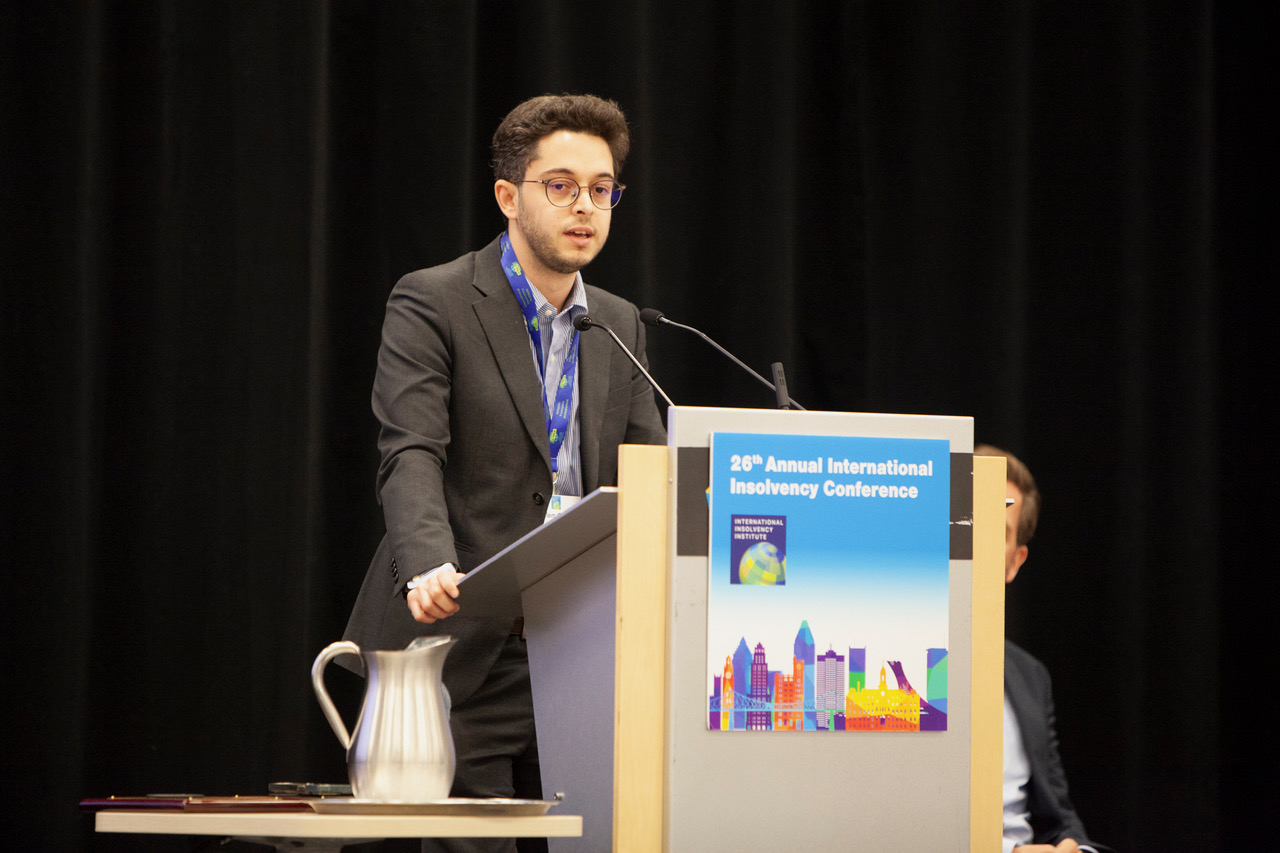
My research builds on a comparative analysis identifying substantial differences in how legal systems protect IP licensees during insolvency. The empirical component examines whether these protections influence research investment and financing costs, moving from theoretical arguments towards evidence that can inform policy. I have discovered that insolvency legislation impacts innovation the more Intellectual property intense a sector is.
Q: “Has the United States been what you expected? In what ways has life in the USA surprised you, either for its similarities to or differences from your own culture.”
One particularly memorable experience was discussing my research with American colleagues and realising how differently we approached the same legal problem. Having to explain assumptions I usually take for granted helped me see my own research from a new perspective.
Q: “What has been your favorite “discovery” in the USA?”
My favourite discovery has been New York’s neighbourhoods. Exploring the city on foot and trying food from different cultures became a welcome balance to the concentration of academic work.
Q: “What will you do after your Fulbright grant? In what ways has your experience in the USA this year impacted your plans for the future?”
I plan to continue my academic career in Spain, combining research and teaching. I am currently an Assistant Professor with tenure track at the University of Barcelona. I hope to bring the empirical methods and academic connections developed during my stay into future projects on insolvency, intellectual property and innovation.
Q: “As a Fulbright Schuman grantee, you have been a cultural ambassador not just for your home country but for the entirety of the European Union. Has this experience changed what it means to be “European” for you?”
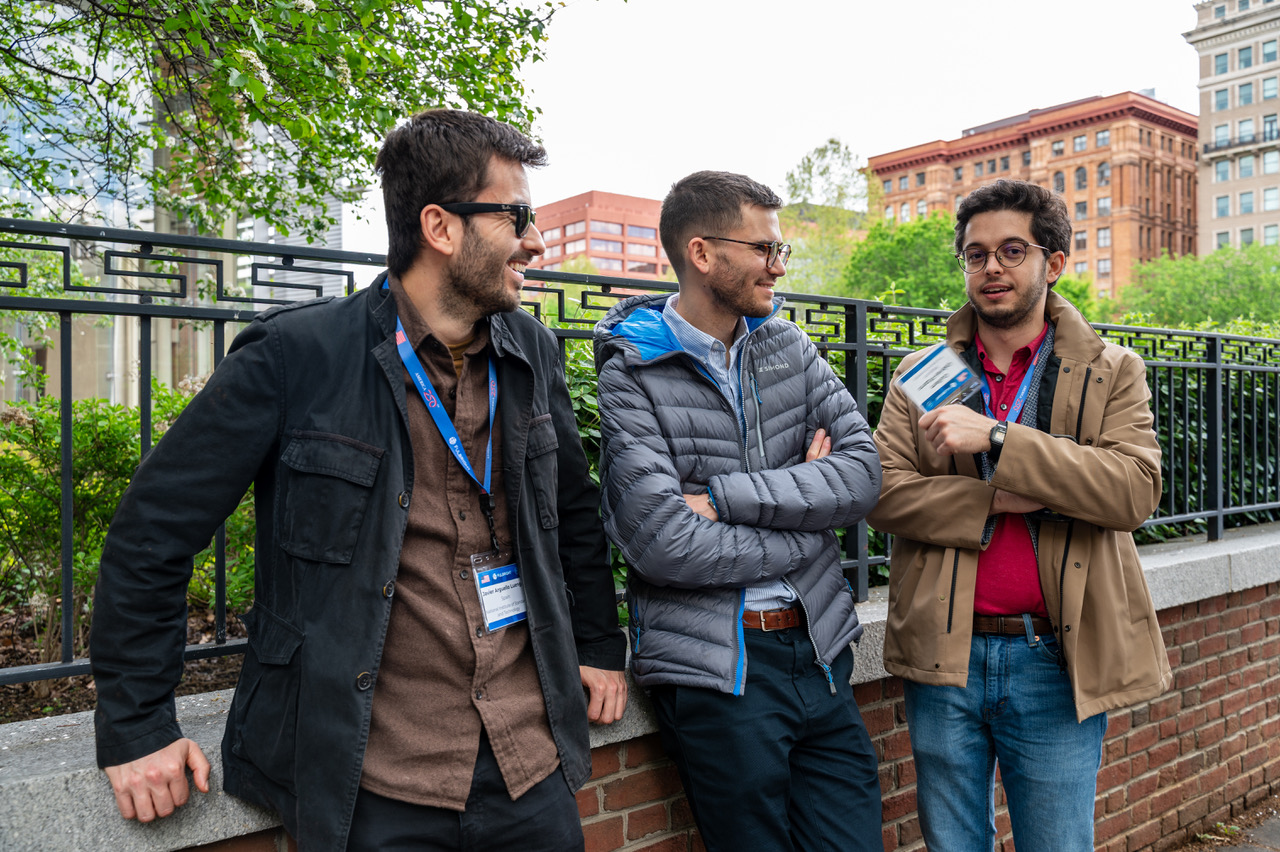
Living in the US has made me more aware of the European assumptions underlying my approach to law and public policy. It has also reinforced my sense that, despite differences between national legal systems, Europeans share important concerns about legal certainty, social protection and economic opportunity.
Q: “What advice would you give to someone who is considering applying to the Fulbright Program?”
Develop a clear project, but remain open to how the experience might change it. Choose a host whose expertise genuinely fits your research, contact them early, and make time for relationships and experiences beyond your academic work.
Articles are written by Fulbright grantees and do not reflect the opinions of the Fulbright Commission, the grantees’ host institutions, or the U.S. Department of State.